
Military-Style Academy pilot
A 12-month Military-Style Academy Pilot (MSA Pilot), ran from July 2024 through to July 2025.
There is current information about the Young Serious Offender Declaration as well as the Military Style Academy on our page Young Serious Offender Declaration
Oranga Tamariki was directed to lead the establishment of the MSA Pilot. We worked closely with officials from agencies including New Zealand Defence Force, Ministry of Justice, New Zealand Police and other government agencies to develop it and with community providers and groups to run it.
The MSA Pilot was evaluated throughout, with a final evaluation report published in November 2025 [PDF, 5.6 MB]
The evaluation is being used to inform operational elements of Military-Style Academies in future, when the legislation is in place. At that point, there may be changes to the design of how any future programmes will run. For example, if needed, it will allow for a longer residence stage and more flexibility around the types of programme components and locations.
Designing the Military-Style Academy Pilot
The goal of the Military-Style Academy (MSA) Pilot was to make a difference in the lives of the teenagers involved, by enabling them to positively contribute and thrive within their whānau and community, without offending.
The MSA programme team, led by Oranga Tamariki, looked at evidence from previous military-style programmes, in New Zealand and internationally, to understand what would give the rangatahi taking part the best chance of success.
The team embedded these elements in the Pilot programme design, including:
- a deliberate focus on providing therapeutic care during the in-residence component, and
- providing ongoing support for the rangatahi when they returned to their whānau and communities, to make sure they were well set up for the future.
These are key differences that set the Academy apart from previous iterations.
The Pilot programme began with a cohort of 10 young people, who were already in the youth justice system.
The Academy consisted of a 12-month programme, with three parts.
First part
The first was assessment of the young people who were potentially eligible to take part (a Youth Court Judge made the decision during sentencing).
The assessment included a clinical perspective and conversations with their whānau, who were involved throughout the programme.
Ahead of sentencing, the MSA Pilot was explained to the teenagers, whānau, and youth justice professionals (e.g. youth advocates) through Family Group Conferences.
Second part
The second was an in-residence stage, based at an existing Oranga Tamariki youth justice residence in Palmerston North.
The young people followed a specially created curriculum and syllabus, with daily activities to support their health, learning and wellbeing. This included military-style activities.
Third part
The third was an in-community stage. It lasted for 9 months and focused on transition back to the community, making sure the teenagers could build on their learnings from the residence stage and were well set up for the future, including a pathway into education, training or employment.
High-level timeline

Please note it is not to scale.
Related news
-

Oranga Tamariki is preparing a second MSA programme, with a confirmed start date of 9 March 2026.
-
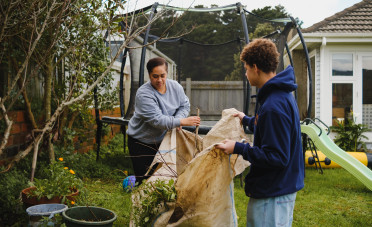
Our statement on an independent evaluation of the early community phase of the Military-Style Academy pilot.
-
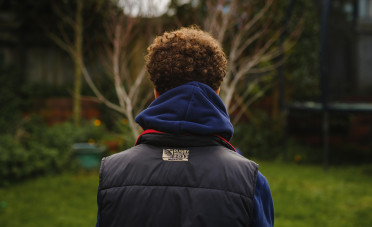
A young person has been withdrawn from our Military-Style Academy programme. Read our statement from Acting Deputy Chief Executive Iain Chapman.
-

It is the end of our 12-month Military-Style Academy pilot with 8 participants having completed the program. Read our statement on the end the pilot and on some of its impact and outcomes.
-

Oranga Tamariki has released an independent evaluation report of the Military-Style Academy Pilot, which ran from July 2024 to July 2025.
-

The Military Style Academy pilot has completed half of its community phase. Read our statement from Acting Deputy Chief Executive Iain Chapman on this milestone, and our practice opinion of 1 absconding event.
-
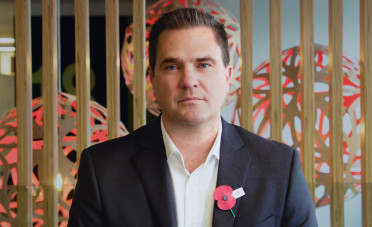
Read our statement from Deputy Chief Executive Iain Chapman on the independent evaluation of the Military-Style Academy pilot's residential stage.
-
The Government is committed to addressing child and youth offending and has set a target of reducing serious, repeat offending by 15%.
Published: July 9, 2024 · Updated: September 28, 2026